Mauricio Pochettino is wasting little time getting to work at Manchester United, but one of his biggest challenges will be the fitness levels and this is his plan.
The Argentine is arriving at Old Trafford with a reputation for demanding high levels of commitment from his players, both in training and during matches.
However, his appointment comes at a particularly difficult point in the season, leaving little opportunity to implement his methods.
Pochettino traditionally begins each campaign by organising a dinner for his entire squad and coaching staff, paying for the meal himself as a way of building relationships and establishing a sense of togetherness.
Read also
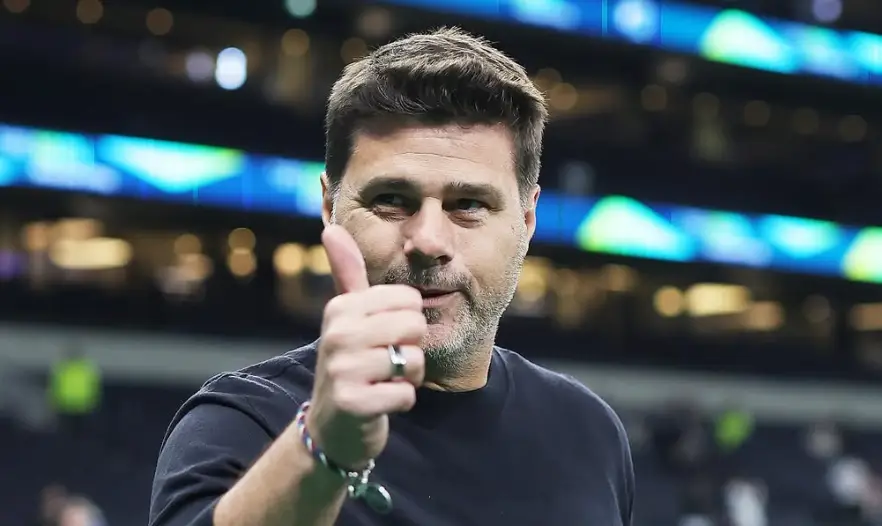

Having joined United midway through the season, he is keen to maintain that tradition, using the opportunity to understand the personalities and dynamics within his new dressing room.
But there will be little time for introductions, with United travelling to Liverpool on Sunday for Pochettino's first match in charge.
Fitness could be his biggest challenge
Pochettino has always placed enormous importance on physical conditioning, believing it is fundamental to the aggressive, high-intensity football he wants his teams to produce.
His approach was evident during his spells at Southampton and Tottenham, where players were expected to press relentlessly, recover possession quickly and maintain an exceptionally high tempo.
Harry Kane previously revealed the demanding nature of the fitness work under Pochettino and his assistant Jesus Perez, while former players have regularly spoken about the intensity of their training sessions.
The coaching staff even developed their own fitness exercises based on the Gacon test, designed to push players to their physical limits.
That could present a significant challenge at United, whose fitness and work-rate have been questioned throughout the season.
Pochettino will want to improve those standards, but he must also recognise that introducing his usual training methods immediately could increase the risk of injuries.
There is no traditional pre-season available to build fitness gradually, while the congested fixture schedule means United have little time between matches.
The manager will therefore need to strike a balance between improving his players' conditioning and keeping them available.
Pressing demands could force tactical changes
Pochettino's football has traditionally been built around aggressive pressing, with his teams attempting to overwhelm opponents through coordinated movement and relentless energy.
However, modern Premier League football presents different challenges from those he faced when arriving at Southampton in 2013.
Pressing systems have become considerably more sophisticated, and getting the timing or positioning wrong can leave teams exposed against opponents capable of playing through the pressure.
Pochettino also has experience of adapting his philosophy when the players at his disposal cannot meet his usual demands.
At Paris Saint-Germain, he quickly recognised that Neymar, Kylian Mbappe and Lionel Messi were unlikely to deliver the defensive work-rate he expected from his forwards.
Rather than attempting to force an unsuitable system, he adjusted his approach, effectively asking the remaining players to compensate for the attacking trio.
United's situation is different, but the lesson could be relevant. Pochettino must assess his squad before deciding how aggressively he can implement his preferred style.
Academy youngsters could benefit
One potential solution could come from United's academy.
Pochettino has consistently demonstrated a willingness to trust young players, believing they bring energy, enthusiasm and a strong emotional connection to the club.
His Tottenham side benefited enormously from the development of Harry Kane and Dele Alli, while Southampton graduates also flourished under his guidance.
He has previously spoken about the importance of giving youngsters opportunities, particularly those who have grown up dreaming of representing their club.
That philosophy could create opportunities for United's emerging talents, with Shea Lacey among the youngsters hoping to make an impression.
Young players may also provide the physical energy Pochettino wants as he attempts to transform United's pressing game.
The Argentine has previously described how academy graduates can bring an additional sense of identity to a team, having developed an attachment to the club from an early age.
United have a proud tradition of promoting homegrown talent, and Pochettino could look to build on that history.
Ultimately, his biggest task will be finding a way to introduce his demanding footballing philosophy without overwhelming a squad that needs improvement on several fronts.
Pochettino has spoken about the importance of adapting throughout his managerial career, and that quality may be just as important as his reputation for high-intensity football.
He will want Manchester United to become fitter, more aggressive and harder to play against, but achieving that transformation will require patience as well as authority.
loading