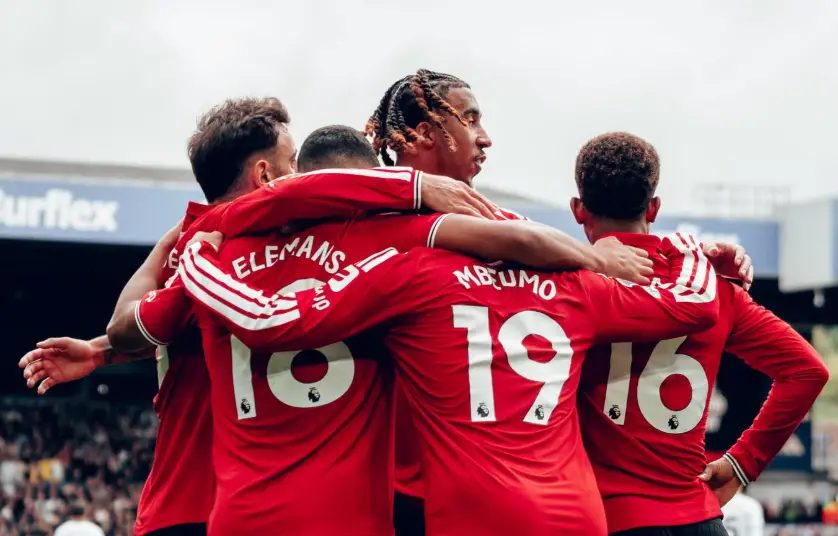
Mauricio Pochettino has been appointed Manchester United's and here's what supporters expect from the Argentine with his style and tactics.
The 54-year-old returns to English football after previous spells with Southampton, Tottenham and Chelsea, having most recently guided the United States to the last 16 of the World Cup.
Pochettino arrives at Old Trafford with a reputation for developing young talent, demanding high levels of physical commitment and building teams around an aggressive pressing game.
His preferred formation has traditionally been a 4-2-3-1, although his managerial career has demonstrated an ability to adapt his approach depending on the players available.
Read also
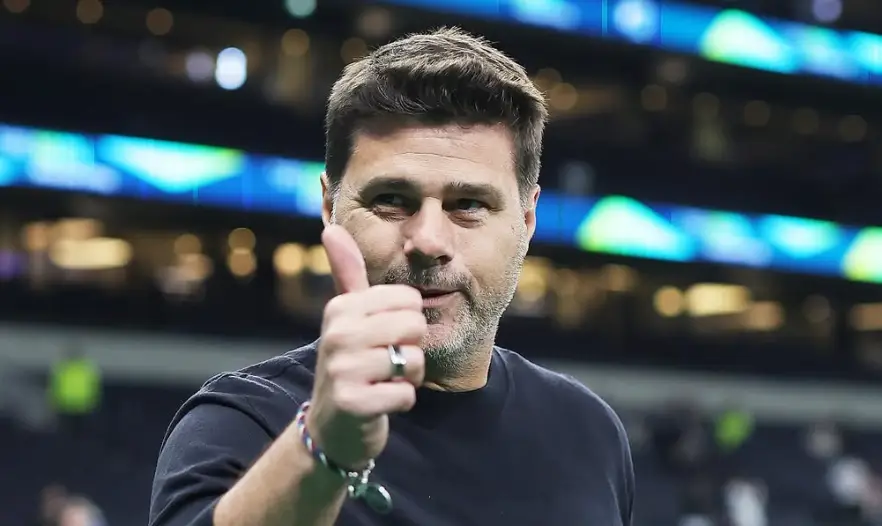
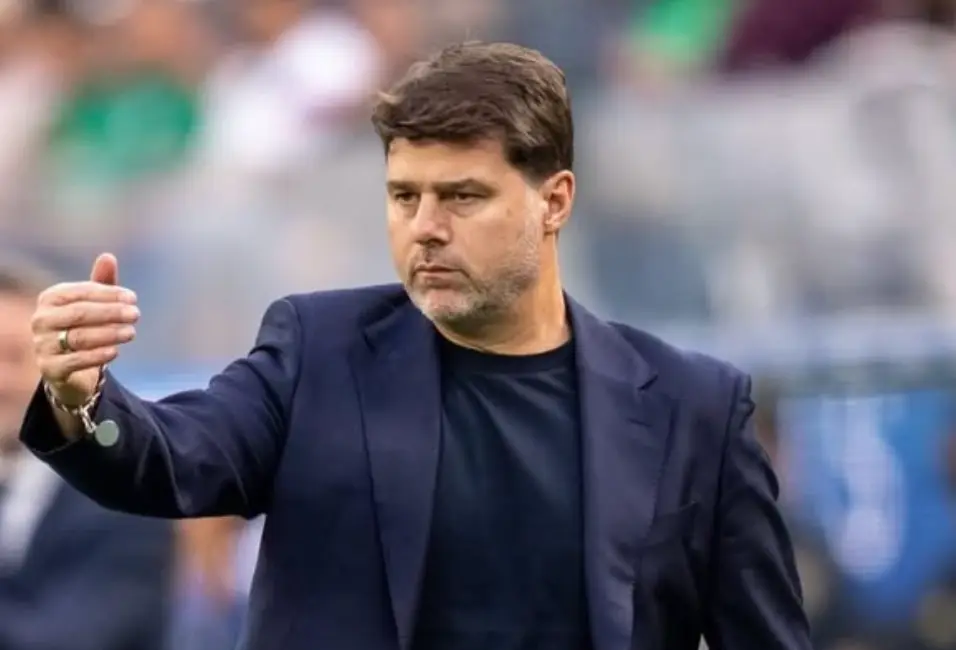
That flexibility could prove particularly important at United, where he inherits a squad with a very different profile to the one he transformed at Tottenham.
High pressing and intensity
Pochettino's footballing philosophy became particularly evident during his time at Southampton, where he replaced Nigel Adkins in January 2013.
Although he largely retained a 4-2-3-1 formation, the style of football changed dramatically, with an emphasis on pressing opponents high up the pitch, winning possession quickly and launching direct attacks.
He also demonstrated an ability to improve players already at the club rather than relying on expensive recruitment.
Adam Lallana, Morgan Schneiderlin, Jay Rodriguez, Luke Shaw and Nathaniel Clyne all developed significantly under his guidance.
Pochettino adopted a similar approach at Tottenham, where his aggressive, energetic side became one of the most difficult teams to play against in the Premier League.
Influenced by Marcelo Bielsa and Sir Alex Ferguson, the Argentine built a team capable of pressing collectively and attacking at pace, using quick vertical passes to exploit opposition defences.
His 4-2-3-1 system allowed Dele Alli, Christian Eriksen and Heung-Min Son to operate close to Harry Kane, while attacking full-backs provided width.
The results were impressive, with Spurs achieving three consecutive top-three Premier League finishes and reaching the Champions League final in 2019.
Developing young players
One of Pochettino's biggest strengths has been his willingness to trust young footballers.
Kane and Alli became central figures in his Tottenham side, while Luke Shaw had also benefited from his coaching at Southampton.
His ability to improve individuals could be particularly valuable at United, where several promising academy graduates are hoping to establish themselves in the senior team.
Shea Lacey is one player who could benefit from the arrival of a manager with such a strong record of developing attacking talent.
Pochettino's demands are considerable, however. His teams are expected to work relentlessly without possession, and players who fail to meet those physical standards can struggle to earn his trust.
Tactical flexibility
His subsequent spells at Paris Saint-Germain and Chelsea showed that Pochettino is not completely wedded to one system.
At PSG, he inherited a squad containing Lionel Messi, Neymar and Kylian Mbappe and adapted his pressing demands to accommodate their attacking qualities.
A 4-3-3 became his most frequently used formation, with attacking full-backs Achraf Hakimi and Nuno Mendes providing width.
At Chelsea, he initially experimented with a back three before returning to his preferred 4-2-3-1.
Cole Palmer flourished in an attacking role, scoring 22 Premier League goals during the 2023/24 campaign, although Pochettino struggled to consistently establish the collective intensity he wanted from his team.
His work with the United States has further demonstrated his willingness to evolve, alternating between back-three and back-four systems while encouraging attacking players to rotate positions.
Co-ordinated pressing remained an important feature of his approach, suggesting that the principles which made his Tottenham side so successful have not disappeared.
What could it mean for Manchester United?
Pochettino's preferred 4-2-3-1 would not represent a complete tactical overhaul at Old Trafford, given that Carrick also favoured the formation.
However, the biggest difference could be the demands placed on United's players when they do not have possession.
United have struggled to establish a consistent pressing game, and Pochettino will want to see considerably more energy, aggression and organisation from his side.
Carlos Baleba could become an important figure in midfield because of his athleticism and ability to cover ground, while Leny Yoro's recovery speed could be useful if United begin defending with a higher defensive line.
Patrick Dorgu's physical qualities could also appeal to the new manager, particularly if he wants more attacking energy from his full-backs.
Bruno Fernandes is likely to remain central to United's attacking plans, potentially operating in the No.10 position behind the striker.
But questions remain over whether the squad has the physical capacity to deliver the intensity Pochettino traditionally demands.
United have one of the older starting line-ups in the Premier League this season, while their distance covered figures highlight the scale of the challenge facing the new manager.
He will also need to decide how best to use the younger players coming through, with Lacey among those who could offer an injection of energy and attacking unpredictability.
Ultimately, Pochettino arrives at Old Trafford with a clear footballing identity but also a willingness to adapt.
His best work at Southampton and Tottenham came through building energetic, youthful teams that pressed aggressively and attacked with purpose.
Whether he can recreate that formula at United remains to be seen, particularly given the challenges presented by the current squad.
As Pochettino has previously suggested: "If you don't change, you die."
Manchester United supporters will be hoping his next evolution can bring the club back towards the top of English football.
loading