Man Utd transfers: Why Reds chose not to sign fullback and options now for Carrick
Manchester United Transfer News & Rumours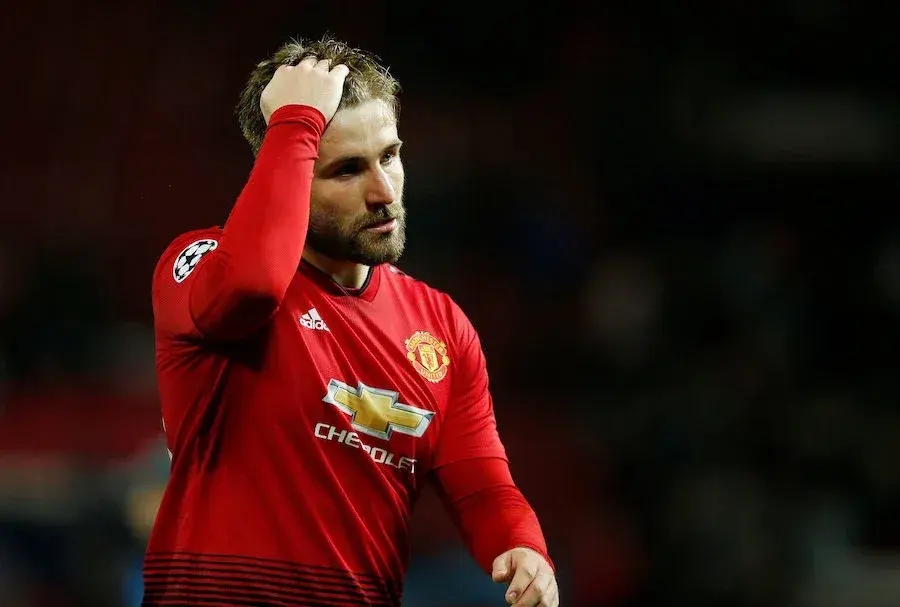
Manchester United scoured the market for a fullback throughout the transfer window and here's how they decided on Luke Shaw as their only first team left-back.
There was a surprise enquiry for Manchester City defender Rayan Ait-Nouri on deadline day which failed and so United face a long season with Champions League games having an injury prone left back.
With time running out, United contacted City to enquire about the possibility of signing Ait-Nouri.
The Algeria international's potential availability had been raised with United by his agent several days earlier.
Read also
However, while City were prepared to discuss a loan deal, they wanted an obligation to buy included in the agreement. United were only interested in a temporary solution and had no desire to commit to a permanent transfer.
United prioritised midfielders in this window and didn't want to pay over the odds for left-backs who didn't perfectly fit the bill.
And while Shaw is the only specialised first team left back there are other options.
Balde enquiry rejected
United explored the possibility of bringing Barcelona defender Alejandro Balde to Old Trafford.
But the Catalan giants were unwilling to discuss a temporary departure for the 22-year-old and would only consider a permanent deal.
That effectively ended United's hopes of signing the Spain international on deadline day.
United had monitored a number of other players during the final days of the window, including Aston Villa's Ian Maatsen and Brighton defender Ferdi Kadioglu.
But the club ultimately concluded that there was no available option capable of significantly improving Michael Carrick's squad.
Hall was United's main target
Newcastle's Lewis Hall had emerged as United's leading long-term target.
The 21-year-old fits the profile United were looking for and is regarded as one of the most promising young full-backs in the Premier League.
But Newcastle's reluctance to allow more first-team players to leave meant it quickly became apparent that a deal would not be possible this summer.
United also held an interest in Arsenal youngster Myles Lewis-Skelly. However, the Hale End graduate was reluctant to leave his boyhood club and has continued to feature regularly under Mikel Arteta.
With Balde unavailable on loan, Hall out of reach and Lewis-Skelly unwilling to leave Arsenal, United were left searching for alternatives late in the window.
Why United decided against a loan
United had originally hoped to add another left-back following Tyrell Malacia's departure at the end of last season.
Luke Shaw started all 38 Premier League matches last term, but his injury record remains a concern.
The return of Champions League football has also increased the number of fixtures United will face this season.
But rather than signing a player simply to fill a gap, the club decided against repeating the short-term recruitment strategy that has caused problems in the past.
INEOS were reluctant to bring in a temporary signing who was unlikely to make a meaningful impact.
Spain Under-19 international Jorge Salinas was also considered during the summer.
The youngster is regarded as a player with potential but was viewed as a longer-term project rather than an immediate solution.
Salinas had been expected to join Atletico Madrid on deadline day after Racing Santander's promotion last season.
However, that move collapsed despite the defender having a €16million release clause. United ultimately decided against making a late move.
Amass could be winner
United will now have to rely on the players already available to Carrick.
Shaw remains the obvious first-choice option at left-back, while Diogo Dalot and Noussair Mazraoui are both capable of operating on that side. Patrick Dorgu can also provide another alternative.
Meanwhile, United decided to keep Harry Amass despite interest from Championship clubs in the 19-year-old academy defender.
Amass could be the big winner from the failure to sign a left-back and this is a big chance for him to stake a claim in the first team.
United clearly wanted another left-back this summer. But when the right deal failed to materialise, they refused to panic.
Loading