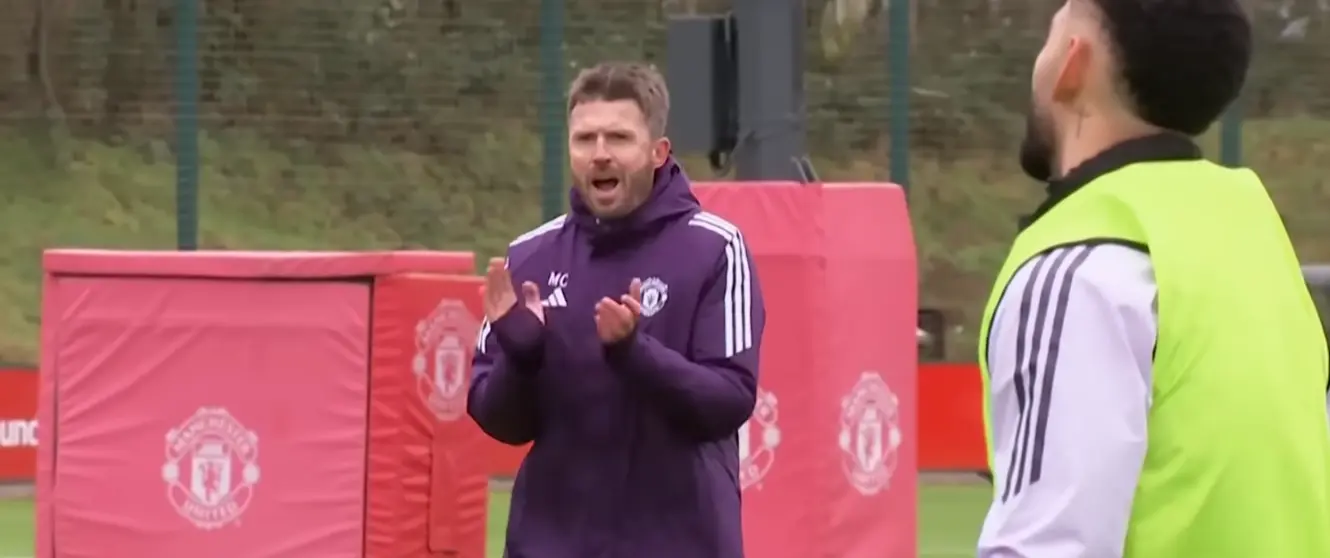
Michael Carrick has made several key changes since arriving as Manchester United interim boss including to training.
Even after stepping away from the first team in 2021, Carrick was a regular presence at Carrington, quietly waiting in his car while his son, Jacey, trained with the academy.
To many staff, he was still part of the furniture — just without the spotlight.
Now, that anonymity is gone. Appointed interim manager following United’s FA Cup defeat to Brighton in January, Carrick has been thrust into the most unforgiving job in football.
And yet, in a club where interim spells rarely end well, he has produced a remarkable start — winning his first three matches against Manchester City, Arsenal and Fulham.
Internally, there was never a sense of crisis. Despite fan anger, United were only three points off the top four when Carrick was appointed.
Director of football Jason Wilcox made European qualification the clear target when interviewing candidates, including Ole Gunnar Solskjaer and Ruud van Nistelrooy. All believed it was achievable.
Carrick’s first major decision was his coaching team. United had learned from past mistakes, ensuring he was properly supported. Steve Holland, formerly of Chelsea and England, joined from a UEFA analyst role.
A boyhood United fan, Holland brought experience, structure and authority. Jonathan Woodgate also arrived, having worked closely with Carrick at Middlesbrough, adding defensive expertise and another trusted voice.
The mood around the squad lifted immediately. Change brought energy, and players were eager to respond.
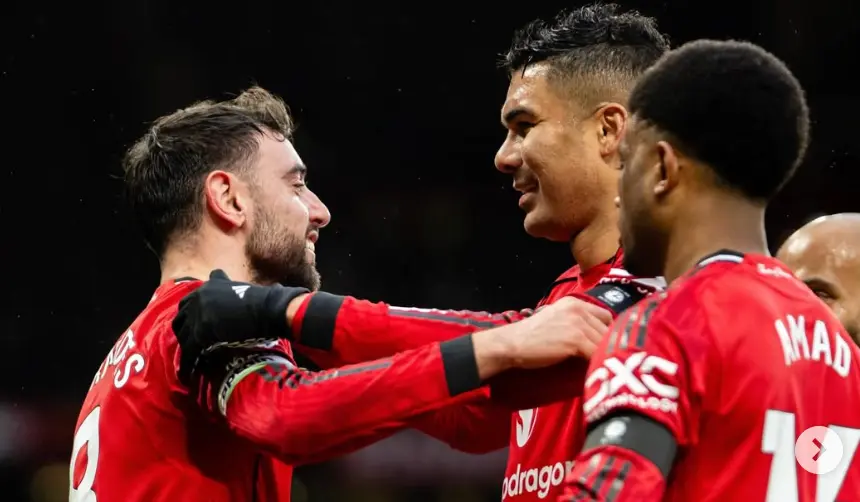
Casemiro, who is expected to leave, admitted he finally felt “like a footballer again” after Carrick’s arrival. Others have spoken about how valued they feel, particularly younger players, who had previously felt overlooked.
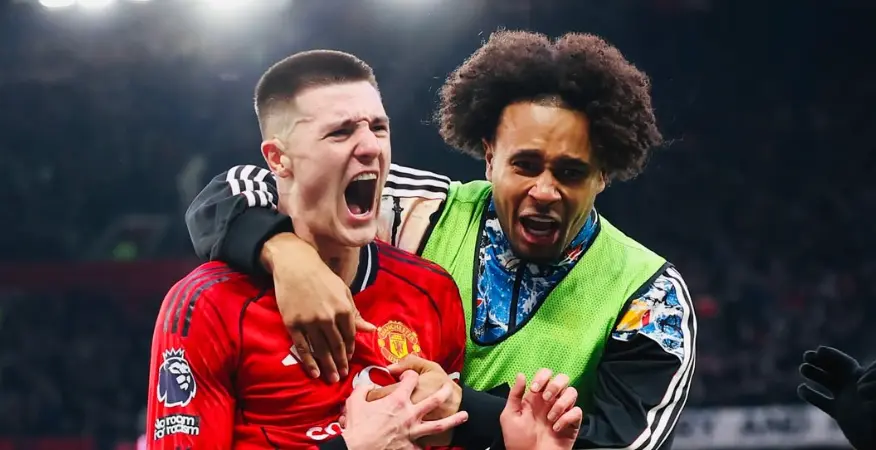
Carrick’s connection to the academy is genuine. He regularly watches youth matches and has encouraged senior players to engage with the next generation.
Staff have noticed a renewed sense of unity between the first team and youth setup.
On the training pitch, Carrick has simplified everything. Sessions are shorter, sharper and more intense. If standards drop, he stops early. If they are high, he saves the energy for matchday.
His approach contrasts with the long, meeting-heavy days of his predecessor. Players now arrive earlier, work harder, and leave feeling fresh.
Communication has been another key. Carrick is direct but supportive, offering clear explanations when players are left out.
He trusts his staff, particularly Holland, who commands sessions and demands accountability. Players are also given tactical “homework” clips to review between matches.
There have been subtle changes behind the scenes too. On home matchdays, the team bus now arrives later, allowing players to feel the crowd’s energy.
After matches, Carrick always speaks to the squad — win or lose — reinforcing unity and clarity.
While results have improved, Carrick is under no illusions. He repeatedly tells his players this is “only the start”. The late drama against Fulham showed there is still work to do, but confidence is growing.
Calm, measured and quietly authoritative, Carrick has brought stability to a club desperate for it. Whether or not he remains long-term, his impact is already undeniable. For now, Manchester United are moving forward again — and under a man who once said he would never manage.
loading
Popular News
Loading